

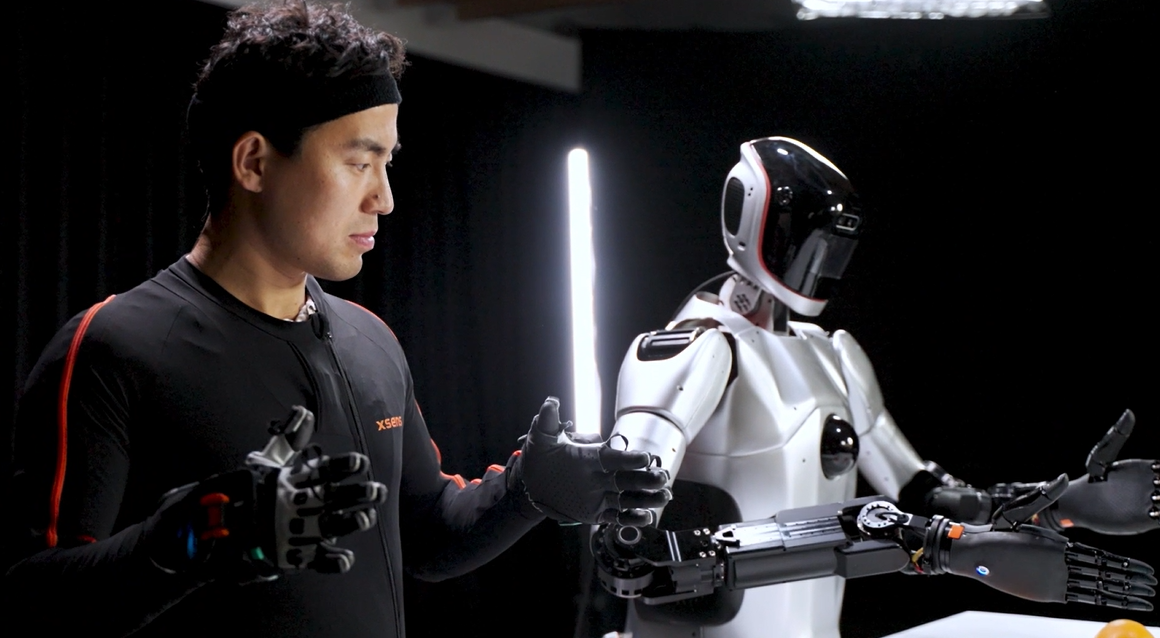
The integration of Artificial Intelligence (AI) and Robotics is transforming the modern world. From manufacturing lines and healthcare facilities to retail and logistics, intelligent machines are now working alongside humans — enhancing efficiency, precision, and safety.
As technology evolves, AI-driven robots are no longer limited to repetitive tasks. They can now perceive environments, learn from experience, and adapt to new challenges. This new era of automation and human-robot collaboration is reshaping industries and redefining the future of work.
1. The Fusion of AI and Robotics
Robotics provides the body; AI provides the brain.
Traditional robots could only follow pre-programmed instructions — performing limited tasks in controlled environments. But with the integration of AI, robots have become intelligent systems capable of decision-making, problem-solving, and self-learning.
AI enables robots to:
- Recognize objects and environments through computer vision
- Navigate autonomously using machine learning algorithms
- Understand commands through natural language processing
- Optimize performance with predictive analytics
This fusion is unlocking new possibilities across sectors, making automation more flexible, dynamic, and human-aware.
2. Intelligent Automation in Industry
AI-powered robotics is driving the next wave of industrial automation.
In manufacturing, robots equipped with sensors and AI models can detect errors, predict maintenance needs, and improve production quality without human intervention.
Some key applications include:
- Smart Assembly Lines: Robots that adjust in real time based on production data.
- Quality Inspection: Vision-based systems detecting micro-defects with near-perfect accuracy.
- Predictive Maintenance: AI algorithms forecasting equipment failures before they happen.
- Logistics and Warehousing: Autonomous robots managing inventory and transport efficiently.
At Lives Digital, we help industries integrate AI-driven automation systems that enhance productivity, reduce downtime, and optimize resource allocation.
3. Human-Robot Collaboration (Cobotics)
One of the most exciting developments in robotics is collaborative robots, or cobots — machines designed to work safely alongside humans.
Unlike traditional robots that operate in isolation, cobots assist workers by handling repetitive, heavy, or precision-based tasks, allowing humans to focus on creativity and problem-solving.
This collaboration enhances:
- Safety: Robots handle hazardous materials or environments.
- Productivity: Shared workloads increase overall output.
- Quality: Consistency and accuracy improve across operations.
- Job Satisfaction: Humans focus on higher-value, engaging work.
Human-robot collaboration represents a balanced approach — leveraging the strengths of both intelligence and intuition.
4. AI in Service and Healthcare Robotics
Beyond factories, AI-powered robots are making significant strides in service and healthcare sectors.
- Healthcare: Robots assist surgeons with precision tasks, deliver medicines, and support elderly care through monitoring and assistance.
- Hospitality: Service robots handle check-ins, deliveries, and customer engagement in hotels and airports.
- Retail: AI-driven robots manage inventory, guide shoppers, and collect customer insights.
- Agriculture: Autonomous machines perform planting, harvesting, and soil monitoring with high accuracy.
These applications highlight how intelligent robots are creating value by extending human capabilities and improving service quality.
5. Challenges and Ethical Considerations
While the benefits are immense, AI and robotics also raise important challenges:
- Workforce Adaptation: Reskilling workers for new, tech-driven roles.
- Ethical Use: Ensuring robots operate safely and fairly in human environments.
- Data Privacy: Managing sensitive data collected by AI sensors and cameras.
- Regulation: Establishing clear frameworks for safety and accountability.
Addressing these concerns is essential to building public trust and ensuring responsible innovation in automation.
Artificial Intelligence and Robotics together form the cornerstone of the Fourth Industrial Revolution — where machines don’t replace humans, but empower them to achieve more.
— Lives Digital Team
6. The Future of Human-Robot Collaboration
The future will see robots becoming even more intelligent, connected, and emotionally aware.
Advancements in AI, edge computing, and human-machine interfaces will make interactions seamless, allowing robots to understand gestures, tone, and intent.
At Lives Digital, we are helping organizations explore this next frontier — designing intelligent systems where humans and robots collaborate in harmony to achieve higher productivity, safety, and innovation.
Automation isn’t about replacing people — it’s about creating smarter partnerships between humans and machines to drive progress.